Understanding Finnish Timber
Each species of Finnish timber offers unique characteristics that make it ideal for specific applications. Understanding grain patterns, hardness levels, and natural properties helps in selecting the right wood for each project.
Juniper (Juniperus communis)
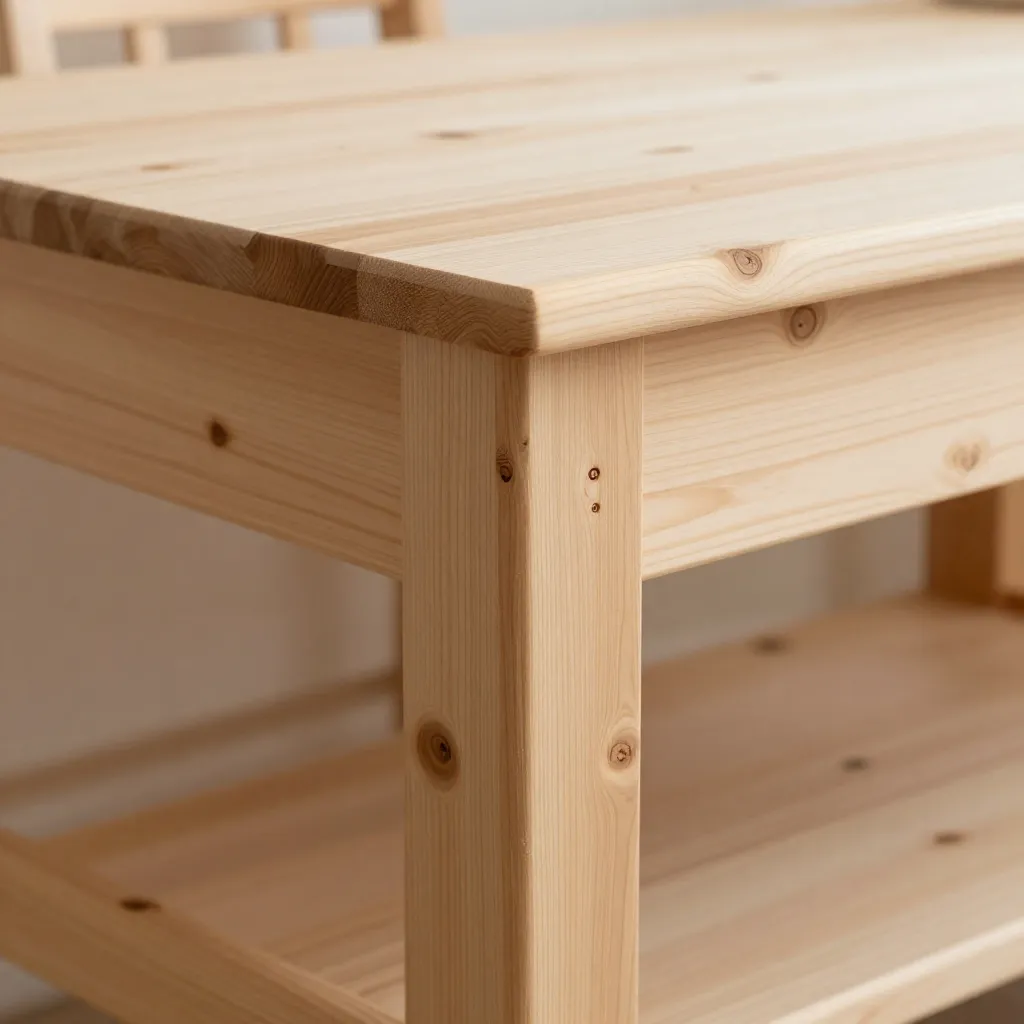
Juniper is one of the most distinctive Finnish timbers, valued for both its aromatic properties and fine, consistent grain structure. The wood has a pale yellow to light brown heartwood with a subtle, pleasant scent that enhances the flavor of foods it contacts.
Traditional Uses
Juniper's natural scent makes it the preferred choice for butter knives and small utensils that come into direct contact with food. The aromatic compounds in the wood subtly enhance flavors, particularly dairy products. It's also used for spice containers and small storage boxes where the scent adds to the user experience.
The fine grain allows for detailed carving work, making it suitable for decorative elements and intricate joinery. Its moderate hardness means it holds edges well while remaining easy to work with hand tools.
Birch (Betula pendula)
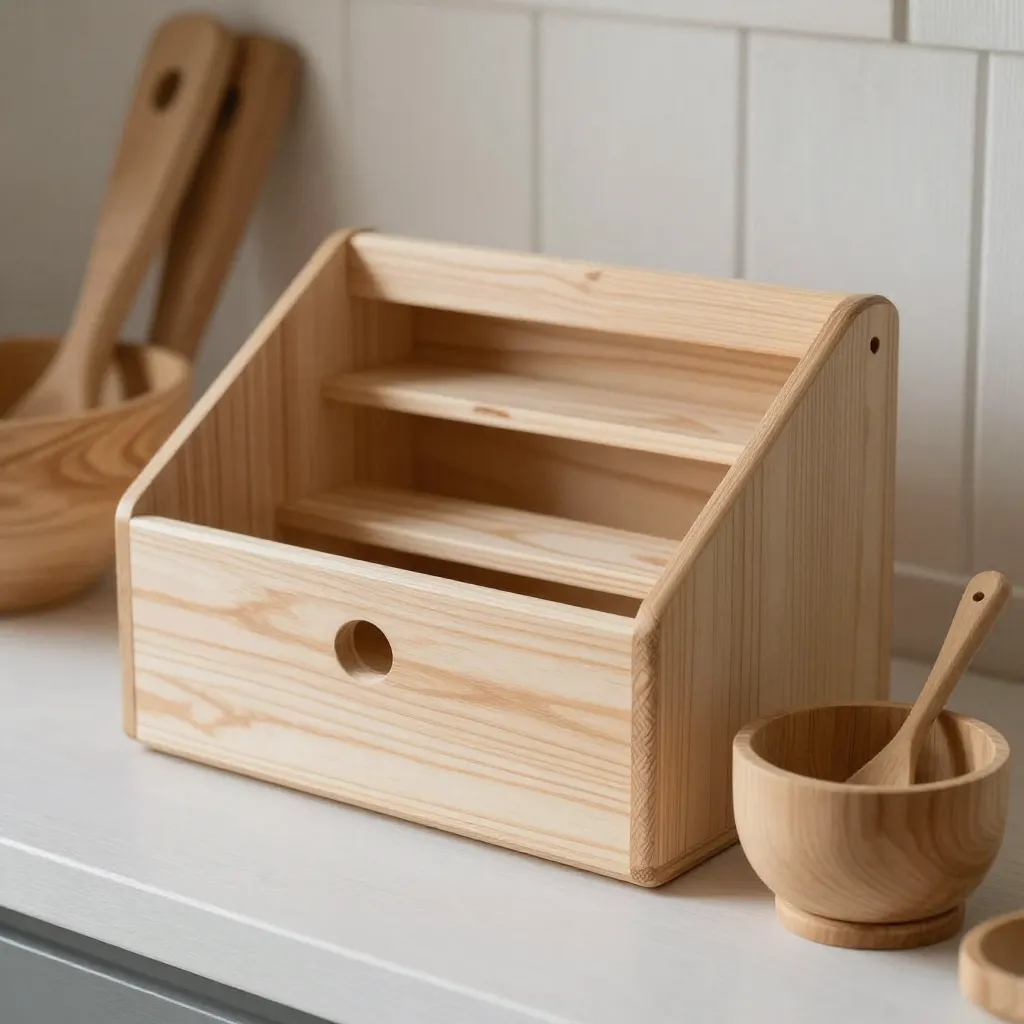
Birch is perhaps the most versatile of Finnish timbers, prized for its pale, neutral appearance and even grain. The wood ranges from nearly white sapwood to light brown heartwood, creating a clean aesthetic that complements any kitchen or dining setting.
Traditional Uses
Birch is the go-to choice for bowls, plates, and serving boards where a clean, neutral appearance is desired. Its even grain and pale color make it ideal for items that showcase food presentation. The wood's moderate hardness provides durability while maintaining a smooth surface that's gentle on utensils.
In traditional Finnish households, birch was often used for larger items like storage chests and furniture components. Its consistent properties make it reliable for joinery work, and it takes oil finishes beautifully, developing a warm honey tone over time.
Black Alder (Alnus glutinosa)
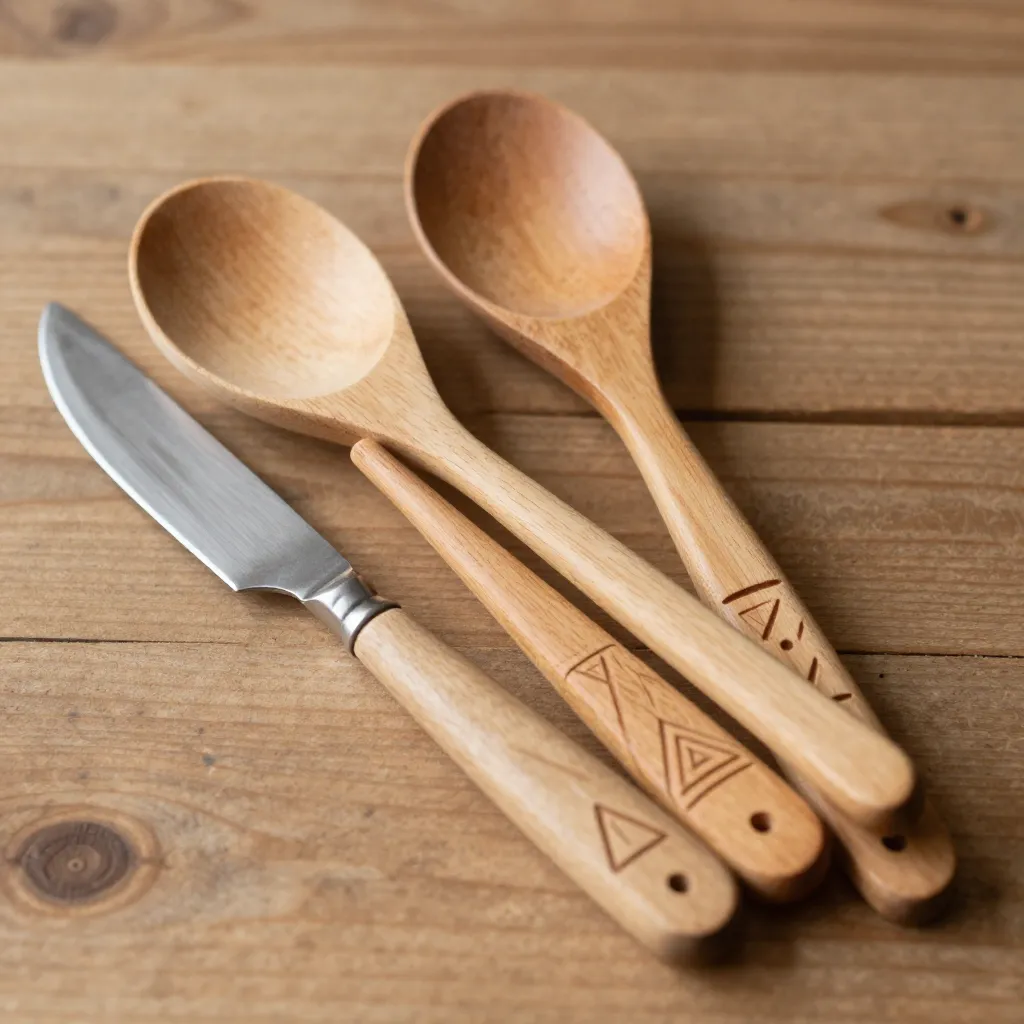
Black alder offers rich, warm tones that create beautiful contrast in mixed-wood pieces. The wood features a light brown to reddish-brown heartwood with a fine, uniform texture. When freshly cut, alder has a pale appearance that deepens significantly with age and oiling.
Traditional Uses
Black alder's moderate hardness and excellent workability make it ideal for larger items like serving platters, cutting boards, and storage containers. Its warm color provides a beautiful contrast when combined with lighter woods like birch in mixed-wood pieces.
The wood's ability to take deep, rich finishes makes it popular for items that benefit from a more substantial appearance. Alder develops a particularly beautiful patina over time, transitioning from pale tones to deep honey and amber colors with regular oiling and use.
Choosing the Right Timber
For Food Contact
Juniper is ideal for items that directly contact food due to its natural aromatic properties. Birch works well for serving surfaces where a neutral appearance is desired.
For Durability
Birch offers the best balance of hardness and workability for items that see heavy daily use. Its even grain resists splitting and maintains a smooth surface.
For Aesthetics
Black alder provides rich, warm tones perfect for statement pieces. Its color deepens beautifully with age, creating items that become more valuable over time.